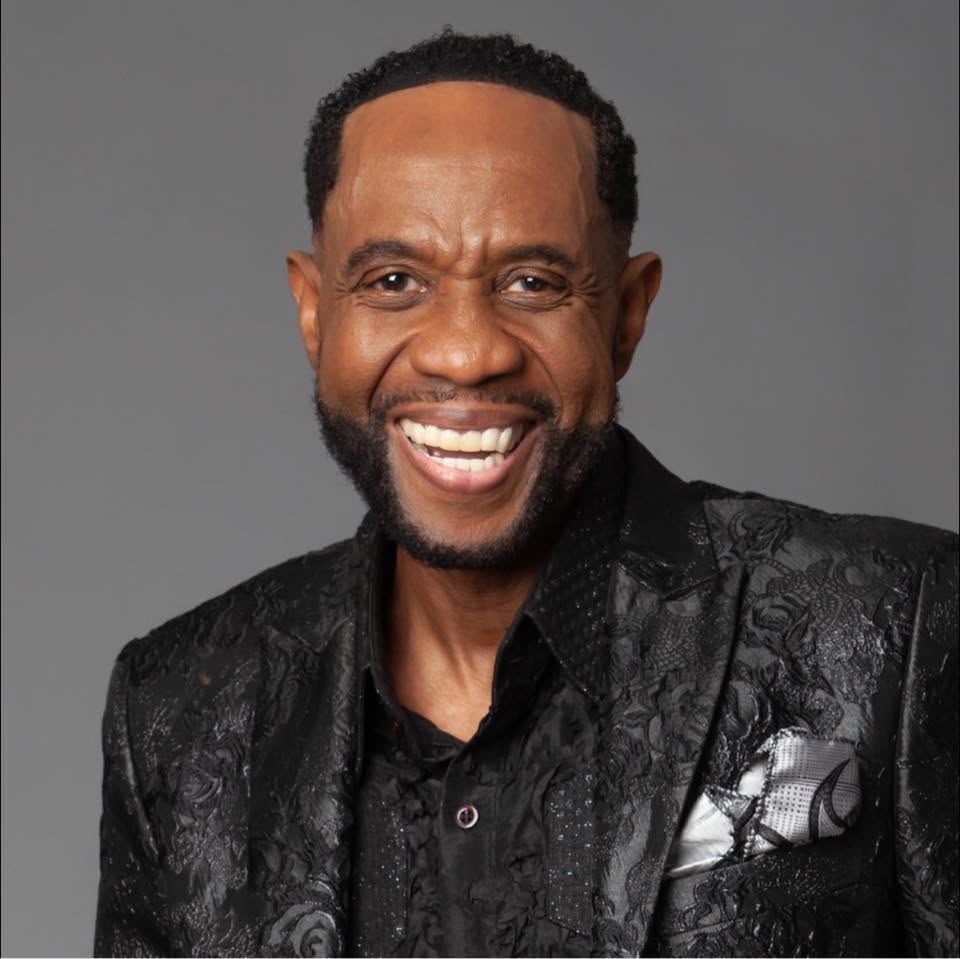


Clara Ester, an activist who as a 20-year-old college student rushed to the Rev. Martin Luther King Jr.’s side when he was shot, has died.

Ester, who died on July 9 at the age of 78, was among a few remaining witnesses to King’s assassination and its immediate aftermath in Memphis. With the passing of the Rev. Jesse Jackson Sr. in February and Ester this month, King aide and former U.N. ambassador Andrew Young is believed to be the last surviving eyewitness to the shooting.
Ester Grew up in Memphis attending Centenary United Methodist Church, where her pastor was civil rights leader the Rev. James Lawson.
“We used to joke about colored water being Kool-Aid and the white water just being water, and so that satisfied us as children,” Ester told The Associated Press in 2018, around the 50th anniversary of King’s death. “But until you see the racism, until you see what has been withheld from you because of your color — is what started to really truly anger me. And I knew if there was a movement that could help change any of that, I had to be in it.”
Civil rights issues were often discussed from the pulpit of her church, Ester said. Lawson was very involved in the sanitation workers’ strike, so it was natural for her to become involved too.
Even 50 years later, she clearly remembered the impact of hearing King’s speech at the Mason Temple the night before he was assassinated and how it seemed to foreshadow his death the next day.
“He had seen the mountaintop,” Ester said. “It was evident on the balcony — how calm.”
Ester had gone to the Lorraine Motel for dinner on April 4, 1968, when she saw King chatting on the balcony with people below. Then she heard a shot.
“He was speaking calmly and pleasantly to a crowd,” she said. “And so he was happy at that moment. But to lay there with his eyes open, looking toward heaven. He had seen the promised land, and he may not get there with us, but he promised that we as a people will see the promised land.”
Ester said she ran to King and saw he was struggling for air. She tried to loosen his belt and asked someone to bring towels to try to staunch the bleeding. After King was taken away by ambulance, she had to stay at the hotel, where she was questioned by police.
She left Memphis to work elsewhere that summer, and as soon as she finished school, she left for good.
Ester moved to Mobile, Alabama, where she found work as a neighborhood organizer at the Dumas Wesley Community Center, a Christian service program supporting children, seniors and people experiencing homelessness, according to her obituary. She later was named the executive director of the center, serving in that role until she retired in 2006.