


By Diana Lambert, EdSource

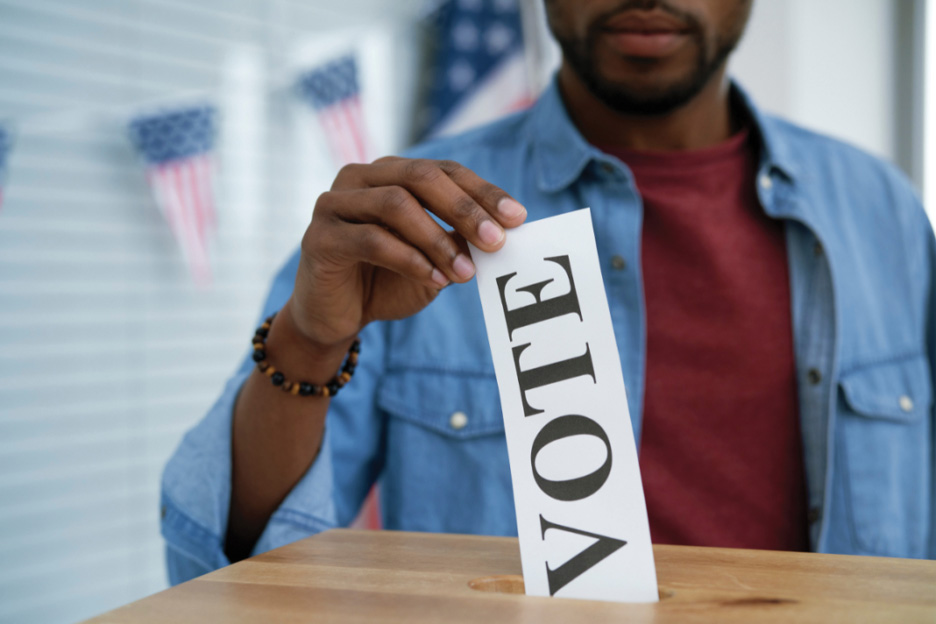
As they head to the polls on Election Day Tuesday, California voters have the power to shape the future of the state’s education system and to determine who pays for it.
Among the decisions they face are the choices for governor and superintendent of public instruction, as well as two propositions that could bring billions of dollars in education funding.
Beginning Jan. 1, California will have a new structure for overseeing its schools. The new governor — either Democrat Xavier Becerra or Republican Steve Hilton – will appoint an education commissioner to manage the California Department of Education, a responsibility that has long been held by the elected state superintendent of public instruction.
The change stems from legislation approved in July as part of budget negotiations. Supporters say the new structure will better align education policy with the implementation of state education programs and oversight of schools. Critics say it is a power grab by the governor to strip power from the state’s top education official — the superintendent of public instruction.
Although Becerra has yet to release a detailed education plan, he has expressed support for tuition-free community colleges, investments in early childhood education, protection for students in the Deferred Action for Childhood Arrivals program and increased support for teachers.
Hilton supports expanding school choice, making it easier for districts to fire underperforming teachers and principals, and holding back third graders who cannot read at grade level. He also supports halting funding for community schools.
Contrasting views: candidates for state superintendent
In January, either Sonja Shaw, president of the Chino Valley Unified school board, or Richard Barrera, president of the San Diego Unified school board, will become superintendent of public instruction.
In the new structure, the superintendent will no longer manage the California Department of Education. Instead, the elected official will serve as a statewide advocate for students, families and educators, with a voice in education policy from transitional kindergarten to higher education. The superintendent also will become a voting member of the State Board of Education, which sets policy for TK-12 schools, and a member of the Community College System Board of Governors.
The two candidates have starkly different views on how to improve California education. Barrera has campaigned for more funding for schools, and supports Proposition 3, which reauthorizes a tax on the state’s top earners. Shaw wants to slash state bureaucracy and direct more funds to the classroom, instead of increasing overall funding.
Barrera supports policies aimed at making schools more inclusive for LGBTQ+ students. Shaw, by contrast, opposes California policies that allow transgender students to participate in girls’ sports and prohibit school districts from requiring teachers to tell parents if they believe a child identifies as transgender.
Will any ‘tax the rich’ propositions prevail?
California voters are also being asked to approve two propositions that could mean billions of dollars of funding for schools.
Prop. 3 will continue a state income tax on the top 2% of California earners that would otherwise expire in 2031. The state law adds $5 billion to $15 billion to the general fund with 40% — $2 billion to $6 billion — going to schools and community colleges annually.
Proposition 40 would create the nation’s first one-time tax on the assets of the state’s billionaires. The 5% tax would yield tens of billions of dollars, according to the Legislative Analyst’s Office. But the windfall would primarily go to healthcare, with 10% going to education. Critics say it could result in a loss of tax dollars if the state’s highest earners flee the state.
Bond measures will fix facilities
Further down the ballot, school districts throughout the state are asking for funding to modernize and repair schools. In all, 87 separate bonds, averaging $144.5 million each are on California ballots. The cost of the bonds is added to homeowners’ property t
Winners aren’t likely to be named soon
California voters may not know the final outcome of several races and ballot measures on election night because of the large number of mailed ballots. Counties will continue counting remaining ballots in the days following the election, updating results as they go.
Counties must certify their election results by Dec. 3, with the secretary of state finalizing the results on Dec. 11.