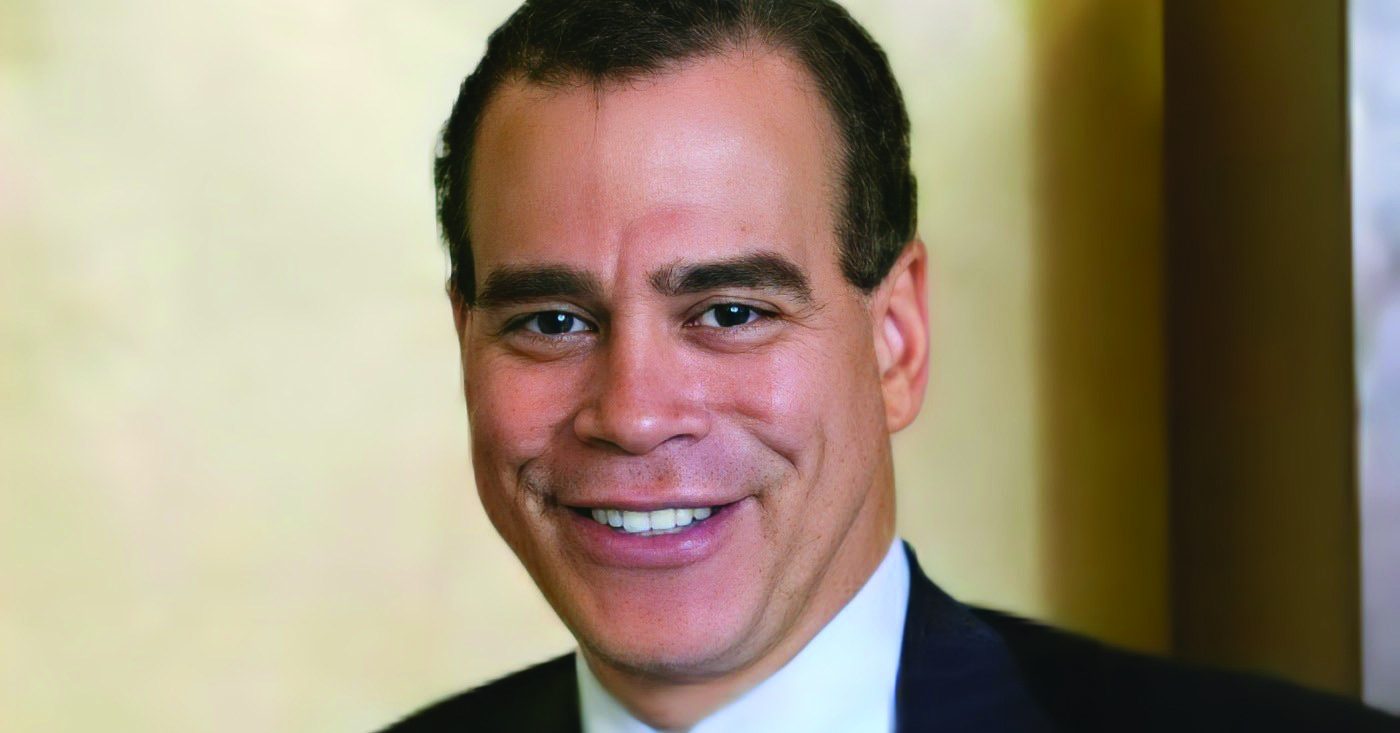


A Nation at a Crossroads: The Case of David Dew and the Meaning of Justice
By Karen Marine
There are moments in history when silence becomes a form of injustice.
This is one of those moments.
For 44 years, David Dew has lived behind prison walls—forty-four years in a place built to break the human spirit. A place of violence. A place of isolation. A place where souls are often forgotten.
But to understand this story, we must begin long before the prison.
As a child, David endured repeated abuse at the hands of his father—violence he did not yet understand, mistaking it for love. Until one day, it went too far. And like so many children searching for safety, he turned to the streets—never imagining the path it would lead him down.
At his lowest point, he made a quiet but profound plea:
“This is not where I want to be in my life. Please take me to a place where I can find myself.”
That place… became prison.
And in that place, something unexpected happened.
He found himself.
David Dew became a student of life—rebuilding his mind, committing to education, earning straight A’s and a 4.0 GPA in college courses. He passed the state peer support specialist exam with a perfect 100%—the only individual to do so.
He did not just survive.
He transformed.
And he was not alone.
For over two decades, respected leaders—men of conscience and national significance—took notice of David’s case and his character. The late Senator Alan Cranston, former California Supreme Court Justice Cruz Reynoso, and the Reverend Cecil L. Murray stood among those who believed in him. They recognized not only the transformation within him, but the seriousness of the questions surrounding his conviction.
They became more than supporters.
They became lifelines—mentors whose belief helped sustain his purpose, his faith, and his will to live.
And David honored that belief.
He began lifting others. Creating programs. Helping reduce recidivism. Teaching strength—not only of body, but of mind and spirit. He founded initiatives focused on protecting children from bullying and violence, including Save America’s Children and a broader Movement of Love.
He is also an artist—a singer, songwriter, and producer—creating music meant to heal a divided world. He even designed a life-saving bracelet, trademarked in the early 1990s, with the intention of helping protect others.
Through it all, he held onto faith. Prayer became his foundation. Faith became his freedom—even while physically confined.
But while David Dew was transforming his life inside prison walls, the world outside took everything from him.
Both of his sons were murdered in the streets—victims of senseless violence.
A father, unable to protect them.
A father, unable to grieve beside them.
A father forced to carry unimaginable loss from within a prison cell.
This is not justice.
This is human suffering at its deepest level.
And still—he chose love.
On December 16, 2025, after decades of perseverance, David Dew was found suitable for parole.
Hope finally appeared.
But that hope was delayed.
His next opportunity for freedom was pushed back until October 2026.
After 44 years, even hope is postponed.
And serious questions remain.
David Dew has long maintained that he did not take a life, and that he was coerced into accepting a 15-to-life plea without the full process he deserved.
These are not minor concerns.
They are questions that demand attention—questions that deserve review at the highest levels.
So we ask:
How long is enough?
How long must transformation go unrecognized?
How long must justice be delayed?
We are calling on the NAACP, on civil rights leaders, on faith communities, on advocates—and directly on Gavin Newsom:
Review this case.
Look closely.
Listen carefully.
Because this is bigger than one man.
This is about the integrity of justice itself.
If we believe in redemption, then it must mean something.
If we believe in fairness, then it must be applied.
If we believe in humanity, then we must act.
David Dew’s words are simple. They are not political. They are human:
I just want to be free.
Free to live the rest of his life with dignity.
Free to continue helping others.
Free to spread the love that sustained him for 44 years.
To the public, to the press, to leaders across this nation:
Do not look away.
Use your voice.
Use your platform.
Demand accountability.
Demand review.
Demand justice.
Because history will remember what we do in this moment.
Let it be said that we chose courage over silence.
Let it be said that we chose justice.
Let it be said that we heard his voice—
And we answered.
Let him be free.
The time is now.