
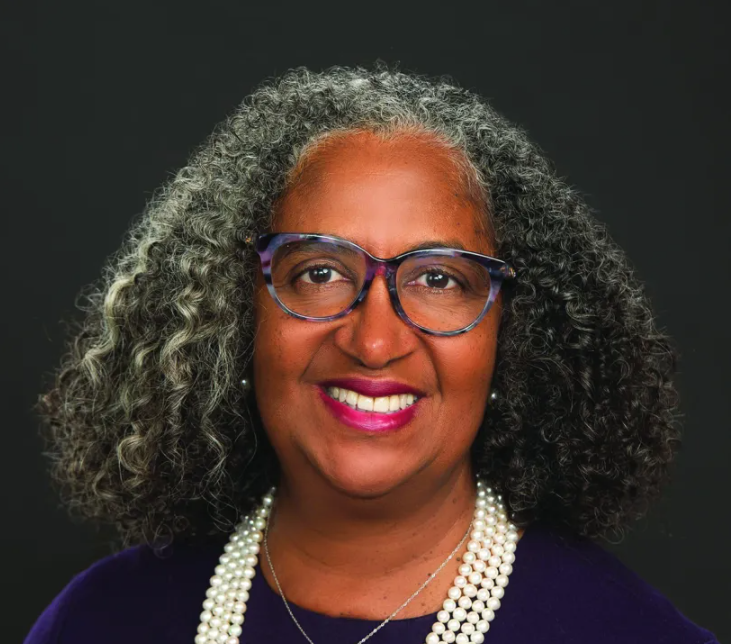

By Cassandra Jennings, Chair, California Community Colleges Black and African American Advisory Panel
California is facing a critical nursing shortage – and our communities feel it every day. From small towns to urban neighborhoods, not having enough qualified nurses makes it harder to get care and deepens health disparities. One promising step forward is AB 1400, which would allow community colleges to pilot Bachelor of Science in Nursing (BSN) programs and train the next generation of nurses who look like the people they serve, in the very communities where they live.
This nursing shortage relief bill would allow the California community colleges to launch up to 10 BSN programs statewide, graduating 1,500 new nurses in just 18 months so they can get to work in their communities. That’s not just a policy – it’s a chance to help our communities grow stronger and healthier while addressing a nursing crisis.
They are also much more affordable, and let’s face it, cost matters. A BSN at a UC costs an average of $72,000 while the average cost at a CSU is $34,341, not including the costs of relocating. But at a nearby community college? Just $10,560. That’s a big difference. It means more students can earn a quality and competitive degree without incurring heavy debt. In fact, 72% of community college grads report not needing student loans.
And the results speak for themselves. According to the California Community Colleges Chancellor’s Office nearly 98% of graduates earning a bachelor’s degree at a community college work in their field of study after graduation, earning about $28,000 more each year.* And 95% stay in California, giving back to the communities that raised them.
Importantly, the workforce-centered AB 1400 addresses the urgent nurse staffing crisis head-on. California projects we will need 65,000 more full-time nurses by 2037. Rural areas will be hit hardest. Right now, traveling nurses are filling the gaps – but they cost up to four times more than regular staff. That’s not a long-term fix. We need nurses who are trained here and stay here. Community colleges can help.
The need for BSN-trained nurses is growing. In 2023, 61% of RN job postings required a BSN. And those who do apply often are turned away because there aren’t enough spots – especially in public programs. Private schools take most of the BSN students – for a price – but their graduates are less likely to stay in California. We need a public solution to a public problem.
AB 1400 offers one. It’s about fairness, access and building a better future for healthcare in California. It’s about helping students – especially those from underserved communities – build meaningful careers without leaving home or taking on lifelong debt.
As Chair of the California Community Colleges Black and African American Advisory Panel, I urge our community and our leaders to support AB 1400. Because when our students succeed, our communities thrive. And when we invest in education, we invest in health, equity and hope.
*Source: California Community Colleges Chancellor’s Office, “Top 10 Reasons to Champion Community College Bachelor’s Degrees,” 2023