
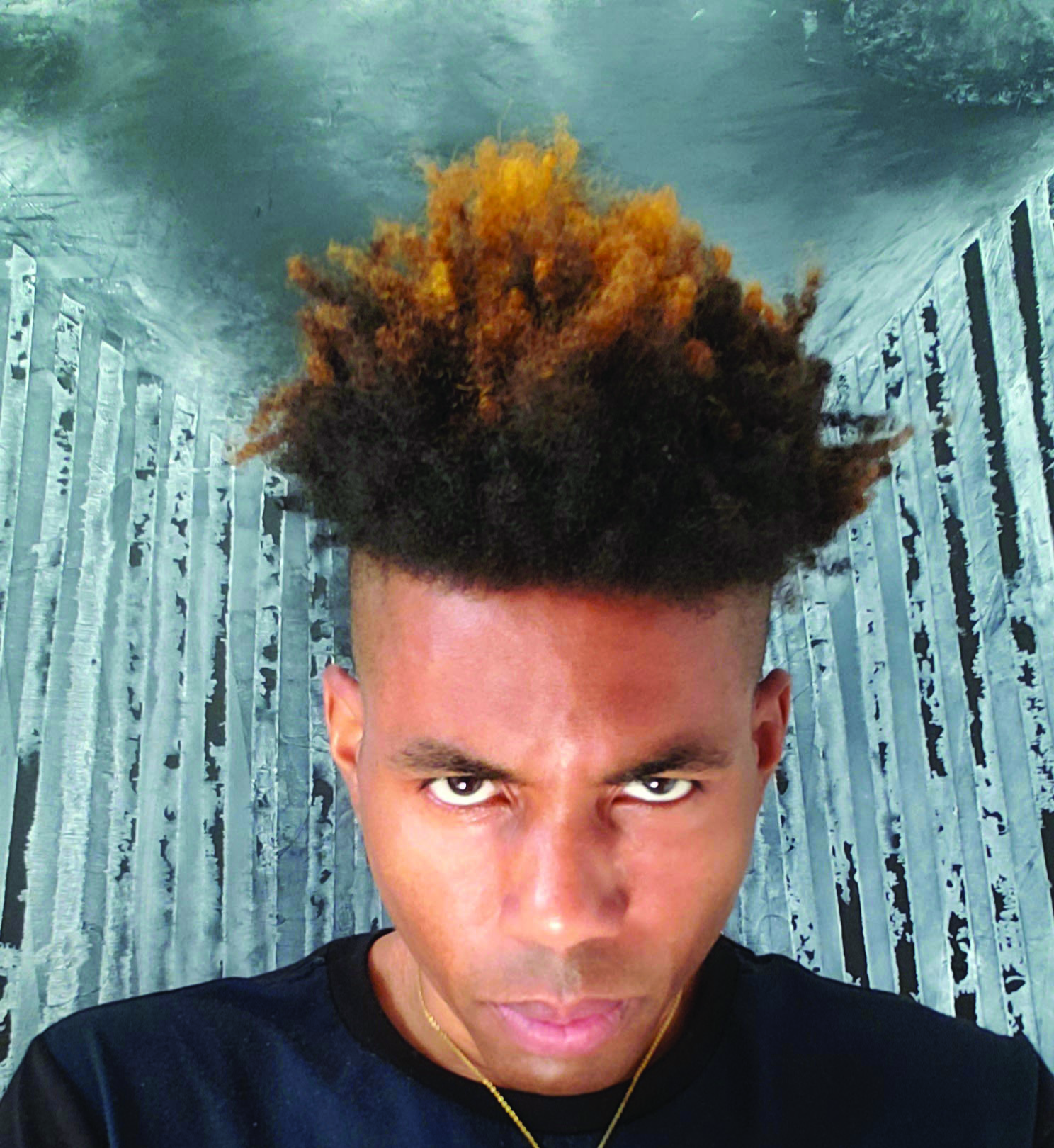

New York, NY — A new idea about how artificial intelligence and robotics connect to racial power is getting strong attention in the Black press, even as major mainstream tech outlets have not reported on it.
Robootology examines how AI and robots are developed within a society shaped by white supremacy, where only one group has historically claimed to be superior. It explores how increasingly intelligent and independent systems shift that power dynamic by asserting sentience.
The concept was introduced in the bestselling book Black Power in the Age of Artificial Supremacy, which recently reached No. 1 on Amazon in the Machine Theory category.
Black-owned newspapers and independent platforms were the first to cover the idea. The Buffalo Criterion published the earliest story on December 6, 2024. More reporting followed in January 2025 from The Buffalo Criterion, Narrative Matters, the St. Louis Argus, the Kansas City Argus, the North Dallas Gazette, and the Tennessee Tribune. These outlets treated Robootology as an important new way to think about race and technology.
Mainstream tech publications including Wired, The Verge, TechCrunch, MIT Technology Review, and Fast Company have not covered the concept.
The difference has drawn attention because these outlets often highlight new ideas and early research in artificial intelligence. Their silence has raised questions about which voices and which communities are taken seriously in the tech world.
“Robootology is about power, access, and the future of human autonomy,” said Rob Redding, author of the book. “It is telling that the outlets closest to communities most impacted by algorithmic bias immediately understood its relevance. It is equally telling that institutions that claim to shape the national tech narrative did not.”
The Black press has a long history of lifting up ideas that mainstream outlets overlook. Civil rights theory, cultural movements, and policy debates often gained early support in Black media before reaching wider attention.
As interest grows, Redding said the field is already moving forward. “Robootology is not waiting for permission,” he said. “The communities that understand what’s at stake have already embraced it.”
Researchers, artists, and technologists are now looking at how Robootology connects to AI design, robotics, data rules, and the rise of systems that can act with more independence. Many are asking whether these new technologies will repeat old patterns or break away from them.
Its early reception highlights a long-standing divide in American journalism. Ideas that come from marginalized communities often gain recognition there first, long before they are acknowledged by larger institutions.
Whether major tech outlets will eventually cover Robootology is unclear. For now, the conversation is being led by publications that have a long record of spotting important ideas early and treating them as part of a larger struggle over power, representation, and the future of technology.
