
New York, NY — Robootology, the emerging field that examines how artificial intelligence and robotics can challenge systems of white supremacy, has received strong and sustained coverage across the Black press.
Outlets rooted in Black journalism immediately recognized the concept’s urgency and cultural relevance. Yet major white‑run technology publications including Wired, The Verge, TechCrunch, MIT Technology Review, and Fast Company have not covered the breakthrough at all.
Robootology was introduced in the bestselling book Black Power in the Age of Artificial Supremacy, which reached No. 1 on Amazon’s Machine Theory last month. The book argues that AI and robotics can be used not only to expose bias but to dismantle racial hierarchies and expand Black agency in the digital age. Black newspapers, independent media, and culturally grounded platforms have highlighted the concept’s potential and treated it as a serious contribution to the future of technology.
The silence from mainstream tech outlets stands in stark contrast. These publications routinely profile emerging fields, new frameworks, and speculative tech futures. Their lack of coverage raises questions about whose ideas are recognized as legitimate within the national conversation on AI.
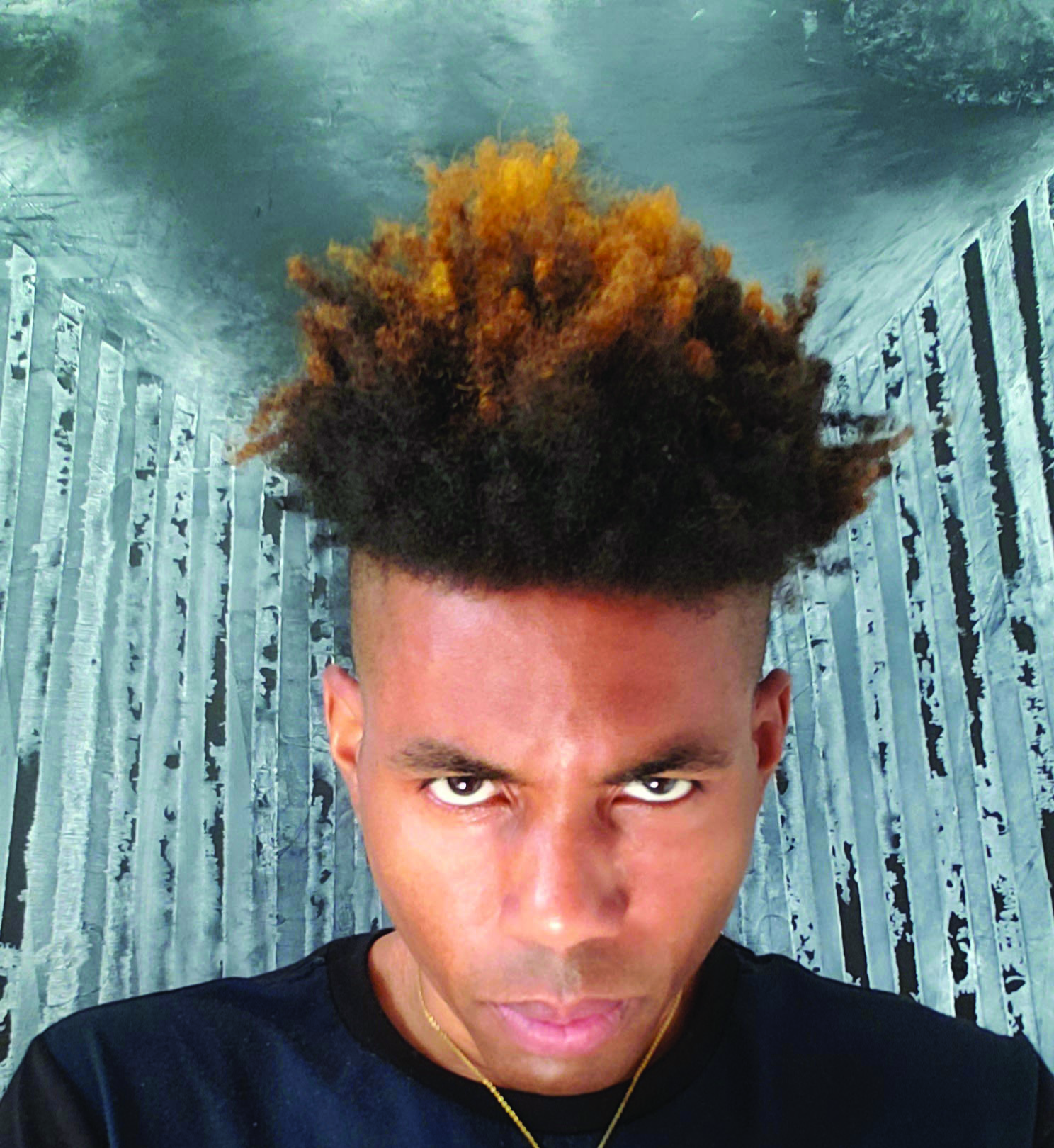
“Robootology is about power, access, and the future of human autonomy,” said Rob Redding. “It is telling that the outlets closest to the communities most affected by algorithmic bias understood its importance right away. It is equally telling that the institutions that claim to shape the national tech conversation did not.”
Black press outlets have historically played a central role in elevating ideas that mainstream institutions later adopt. Even ChatGPT, now one of the most widely discussed AI systems in the world, began as a series of academic research papers that received limited mainstream attention before the product became a cultural event. The pattern is familiar. Breakthrough ideas often emerge, gain traction in communities that understand their stakes, and only later receive recognition from the larger white‑run tech press.
Robootology’s early reception in the Black press reflects that tradition. Coverage began on Dec. 6, 2024, in The Buffalo Criterion, followed by additional reporting in Jan. 2025 from The Buffalo Criterion, the Narrative Matters, the North Dallas Gazette and the Tennessee Tribune. These outlets treated Robootology as a serious and timely contribution to the conversation about race and artificial intelligence. Their reporting stands in sharp contrast to the silence from major white‑run technology publications.
Robootology continues to gain traction among scholars, artists, technologists, and cultural critics. Its early reception underscores a long‑standing divide in American media: Black innovation is often acknowledged first by Black institutions, while mainstream platforms lag behind or ignore it entirely.
“Robootology is not waiting for permission,” said Redding. “The communities that understand the stakes have already embraced it.”