
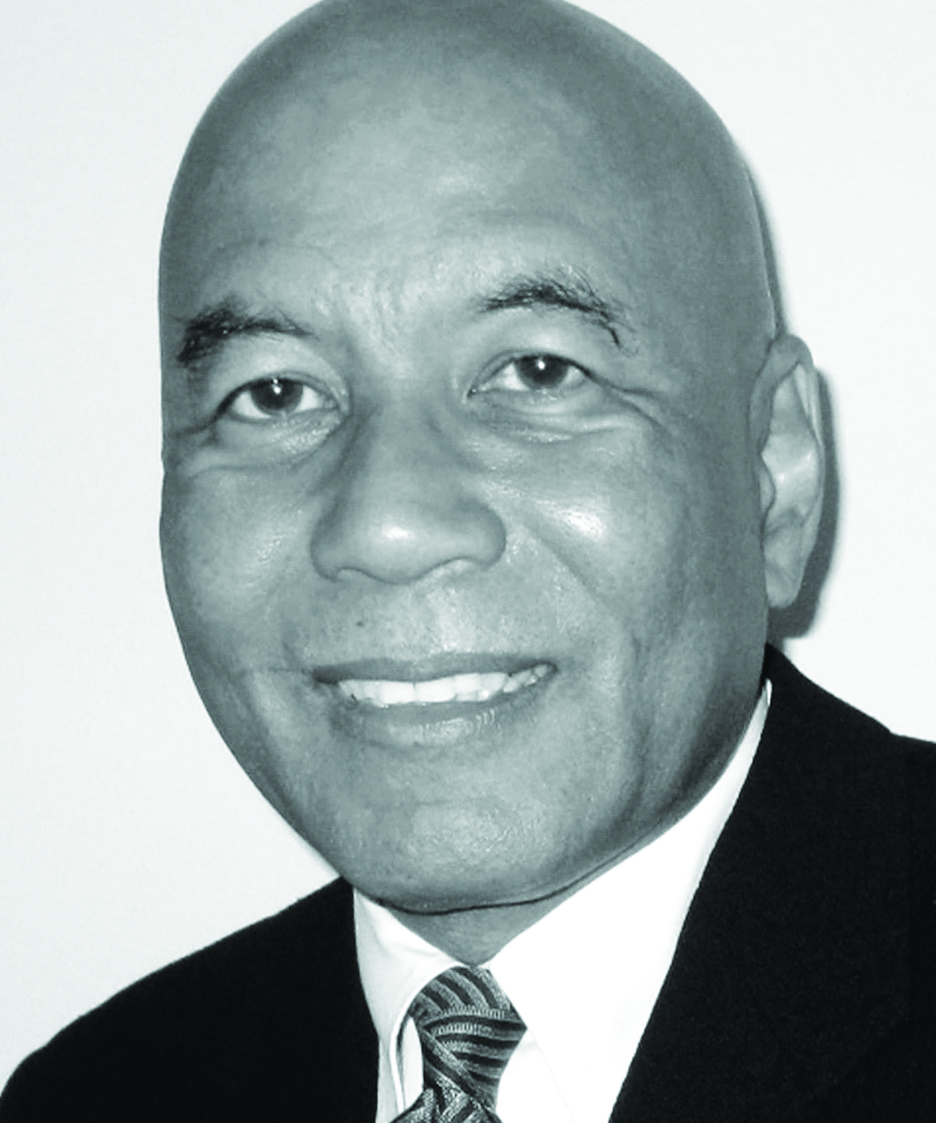

Joe W. Bowers Jr. | California Black Media
Since California Black Media (CBM) reported that CalMatters asked Assemblymember Tina McKinnor (D-Inglewood) whether the Louis Vuitton bag she carried at a Capitol event was “real or fake,” much has been said –just not clearly, or publicly, by CalMatters.
In the two weeks since the question — and the editorial decision behind it — sparked backlash and accusations of racial bias, CalMatters has issued no public explanation or correction. Instead, on Jan. 21, it published a story titled “Lobbyists and lawmakers mingle over luxury tequila, shrimp and cigars at capital party.” McKinnor was prominently featured, with descriptions of what she drank, who she spoke with, and her voting record. What it didn’t mention was the question CalMatters had asked her office just days earlier — one widely condemned as inappropriate, racialized, and unprofessional.
On Facebook, McKinnor wrote about the Jan 21 story, “Instead of asking real, substantive questions, you chose to single me out. That’s not journalism — that’s a ‘gotcha’ attempt that missed the mark… Ask real questions. Report real news.”
Her Facebook followers echoed her frustration. “What a joke of an article,” wrote one. “I don’t see where they list what everyone was wearing,” said another. Others called the story “selective,” “lazy,” and “pointless.”
The New York Post, responding to CBM’s story about the question, ran a story defending CalMatters and dismissing McKinnor’s reaction as hypersensitive.
While it may have offered some cover, the Post’s story dodged the real issue: when a newsroom becomes the story, silence isn’t accountability. If CalMatters takes comfort in spin from a publication known more for provocation than journalism, it should ask what that says about its own standards.
While it may have offered cover, it dodged the real issue: when a newsroom becomes the story, silence isn’t accountability. If CalMatters finds comfort in validation from a publication known more for provocation than journalism, it should reconsider what that says about its own standards.
CBM followed up with CalMatters CEO Neil Chase, asking for clarity on the purpose of the handbag question, whether the newsroom would review its editorial process, and what steps it planned to take to address bias.
Chase responded via email but didn’t directly answer those questions. He confirmed that he had apologized to McKinnor in writing — a week after the story became public — and hoped to meet with her. According to McKinnor’s chief of staff, Terry Schanz, she is not currently planning to meet.
Chase defended excluding reporting on the incident from the Jan. 21 article, saying CalMatters “agreed with the Assemblymember” that the question was inappropriate and not relevant. But that “agreement” was based not on any conversation with McKinnor, but on their reading of her public post. The editorial decision to feature her in the story while ignoring the controversy, is an editorial choice CalMatters has yet to explain.
The failure to address the incident during CalMatters’ Jan. 20 Digital Forum featuring Legislators with press experience — moderated by Chase — was a missed opportunity. Sen. Lola Smallwood-Cuevas (D-Los Angeles) raised the issue as an example of media bias against Black women. CBM reporter Antonio Ray Harvey also tried to raise it. Chase said nothing. Chase stayed silent — offering no acknowledgment, no response, and no engagement.
The California Legislative Black Caucus (CLBC) on Jan. 22 sent a formal letter to CalMatters demanding an unequivocal apology to McKinnor. The letter was signed by eleven of the caucus’s twelve members, except McKinnor, the subject of the question.
The letter called the handbag question “racist and sexist,” labeled CalMatters Jan. 21 story “lazy clickbait,” and said it reduced McKinnor to “an adorned object, not a person.” It described the article as a “transparent attempt to portray [her] as a quid pro quo legislator,” and demanded CalMatters take responsibility, conduct bias training, and apologize — stating, “Our democracy demands it.”
CLBC’s involvement makes clear this isn’t just about one lawmaker. It’s about how Black women in elected office are scrutinized or undermined by institutions that claim to hold power accountable.
That scrutiny doesn’t come from nowhere. For decades — especially through the 19th and 20th centuries — most major newspapers and broadcasters were owned and run by White editors and publishers.
Stories about communities of color often relied on stereotypes, lacked context, and echoed official narratives. In 2020, the Los Angeles Times confronted its own role in that legacy, issuing a front-page apology for backing the incarceration of Japanese Americans, mischaracterizing the Zoot Suit Riots, and providing biased coverage of unrest in Watts and after the Rodney King beating.
That history casts a long shadow, and it helps explain why questions like the one CalMatters asked still carry deep implications.
CalMatters’ own editorial policies promise fairness, transparency, and responsibility. “We recognize that our work has an impact on the people and institutions we report on, and we take that responsibility seriously,” the policy states. But the facts here tell a different story.
They asked the question, ignored the backlash, left out the controversy from a story that featured McKinnor, delayed an apology, gave no clear answers, and stayed silent at a public forum. Each of these actions contradicts the mission they claim to follow.
It’s easy to talk about accountability journalism. It’s harder to practice it — especially when the story is about you.
CalMatters had multiple chances to uphold its own standards and didn’t. If it values public trust, it must hold itself to the same level of accountability it demands from others. Because when journalism avoids accountability, it becomes what it claims to challenge.