

Edward Henderson | California Black Media
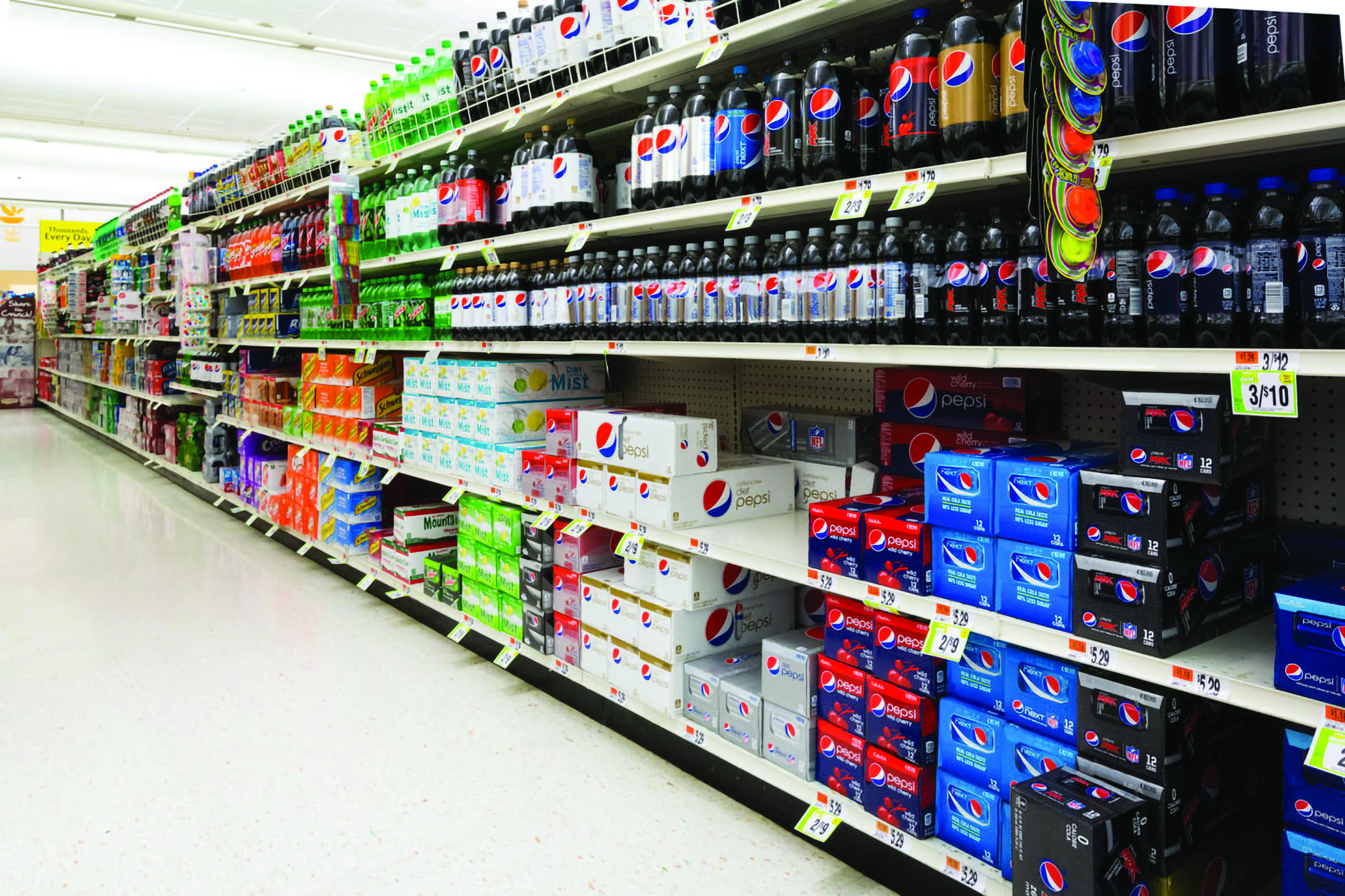
The California Department of Public Health (CDPH) andCalFresh Healthy Living, the state’s nutrition assistanceprogram, recently launched a health campaign to illuminate therisks of drinking sugar-sweetened beverages and the healthbenefits of hydrating with water.The “Not So Sweet Side” initiative encourages families to makeinformed decisions about the drinks they choose and to be awareof the sugar content present in them.According to the campaign, consuming too much sugar has beenassociated with an increase in chronic conditions and diseasessuch as type 2 diabetes, heart disease and tooth decay. AfricanAmericans face a higher risk of developing diabetes mellitus,heart disease and tooth decay.Dr. Redieat Assefa is a pediatrician at Riverside UniversityHealth Systems. She spoke at a webinar hosted by CaliforniaBlack Media introducing the campaign to ethnic mediapublishers across California.Assefa underscored the importance of reading labels on sugarydrinks you may consume and how to identify drinks that containtoo much.“When reading a nutrition label, there are a few key componentsthat I would like us to consider. The first thing is the serving sizeof your sugary drinks. Is it one can? Is it one bottle? Then you go down to your total carbohydrates, which can be broken downto your fibers and sugary, added sugars or non-added sugars.Another part of the nutrition label is looking at the ingredientsand the red flags. When reading ingredients, it’s going to be highfructose corn syrup, fruit, glucose, and sucrose. So those are themain ones that are harmful to our bodies when we have them inexcess, of course.”To simplify the process, compare the grams of sugar in a box ofApple Juice with preservatives that could be around 40 grams ofsugar and that of natural juice which averages around 6 grams.The healthier choice is the 6-gram option due to significantlyless added sugars.Assefa also added that research indicates that African Americanwomen who drink one to two sugary beverages daily have anincreased risk of type 2 diabetes. Sugary drinks can lead to highblood pressure, hype, and hypertension, contributing to a greaterrisk of heart disease among African American young adult menwho, on average, consume sugary beverages at a higher levelthan other groups.Assefa pointed out that there are about 10 teaspoons of sugar ina single can of soda.Dr. Maxmillian Chambers, a dental professional and publichealth advocate, also spoke on the panel promoting thecampaign highlighting the impact sugary drinks can have ondental health.“As we continue this dialogue, it’s crucial to turn our focus tooral health, a key component of our overall well-being that doesn’t often receive the attention it deserves. Sugary drinks area significant contributor to tooth decay. Research shows thatdrinking more than two eight-ounce servings of sugarybeverages per week can drastically increase the risk of cavities.And for our youth, particularly those aged 9 to 18, sugary drinksare primary sources of added sugar in their diets.”Chambers added that the issue is amplified when we considerthat Black adolescents who consume high amounts of thesebeverages and brush their teeth no more than once a day are at asignificantly higher risk of developing cavities.Lakeysha Sowunmi, a mom and public health advocate who hasworked to influence state policy and mobilize communities,including churches, around health issues, said, “I work withfamilies on a budget, for example, and help them understandCalFresh and the resources that are available. We talk aboutportion control. We talk about feeding big families.”Sowunmi, who is a founding member of the San DiegoWomen’s Affordable Housing Network, added, that makinghealthy food choices can seem like a luxury to familiesoverwhelmed by housing insecurity. As she helps them findpermanent or more affordable housing, Sowunmi says shecontinues to stress the importance of avoiding bad food choices.The campaign recommends families set new health standardswhen it comes to the beverages consumed in the home. Flavoredwater alternatives for children returning from play, not orderingdrinks during fast food stops, and increased awareness of sugarcontent in drinks are among their recommendations.
The CDPH and CalFresh believe that a community focusedoutreach effort ensures the ‘Not so Sweet Side’ campaign willreach diverse families across California. The CalFresh HealthyLiving Program is led by CDPH’s Nutrition and PhysicalActivity Branch. To explore recipes, resources, and tips formaking healthier beverage choices, visit http://uncoverhealthyhabits.com/